Taunton Fire Department

Official Website

  • Email
  • Facebook
  • Twitter
  • Home
  • About Us
    • Mission
  • Chief’s Corner
  • Department Roster
  • Resources
  • Photo Gallery
  • News Blog
  • Contact Us
    • Contact Us
    • Public Records

Taunton Fire Department Shares Safety Tips for Emergency Preparedness Month

September 9, 2024 by jgprstaff


September is National Emergency Preparedness Month, which encourages families to discuss safety plans under this year’s theme, “Start a conversation.” 🚨

According to FEMA, those who are informed about emergency preparedness are five times as likely to take action, protecting themselves, their families, and communities.

Follow some of our tips to practice preparedness in the case of an emergency. Let’s keep our community safe! 😇❤️

Filed Under: Taunton FD News

Taunton Police, Fire Departments Share Tips for Safe Fourth of July Celebrations

June 26, 2024 by jgprstaff

Possession or Use of Fireworks is Illegal in Massachusetts

Police Chief Edward Walsh and Fire Chief Steven P. Lavigne, along with the Taunton Police and Fire Departments, wish to share several important safety tips and reminders as residents prepare to celebrate the Fourth of July holiday.

According to the state Department of Fire Services and State Police, Massachusetts fire departments reported nearly 1,000 fires related to illegal fireworks between 2013 and 2022. In 2022 alone, fire departments reported 106 fires and explosions attributed to fireworks, an increase of nearly a third over the prior year. More than half of those incidents took place during the week of July 4, 2022.

It is illegal for private citizens to use, possess, or sell fireworks of all kinds in Massachusetts without a license and a permit. This includes fireworks purchased legally elsewhere and brought into Massachusetts. It includes sparklers, firecrackers, cherry bombs, and other fireworks. Fines range from $10 to $1,000, and some violations could carry a one-year prison sentence.

The Department of Fire Services posts a list of permitted municipal fireworks displays and updates it each week through the summer. Residents are encouraged to attend the fireworks displays and leave fireworks and explosives in the hands of professionals.

Residents are encouraged to report any misuse of fireworks they notice in the community to the Taunton Police Department at 508-824-7522.

In case of a firework-related or other emergency, always dial 911.

Additionally, residents are reminded of these key safety tips for Fourth of July celebrations:

  • Attend organized and permitted fireworks displays only.
  • Report illegal or suspicious fires to the police.
  • Remember that alcohol/drugs and fireworks do not mix.
  • Never allow young children to go near fireworks.
  • Keep pets indoors and away from fireworks. The loud noises and flashing lights can be frightening and overwhelming for pets. Pets can become frightened and run from familiar environments and people, becoming lost. Read more here.

The departments also urge residents to observe the following tips from the National Highway Traffic Safety Administration on getting home safely following Fourth of July celebrations:

  • Be mindful of pedestrians.
  • Always wear your seatbelt.
  • Do not drive under the influence of drugs or alcohol. From 2017 to 2021 approximately 1,460 drivers were killed in motor vehicle crashes over the Fourth of July holiday period — 38% of the drivers killed were drunk.
  • Even if you’ve had only one alcoholic beverage, do not plan on driving. Instead, designate a sober driver or use a ride-share service to get home safely.
  • Take keys away from individuals who are under the influence and are planning to drive. Alcohol and drugs impair perception, judgement, motor skills, and memory, which are critical for safe and responsible driving.
  • If you see an impaired driver on the road, safely pull over and call 911.

The Taunton Police and Fire Departments wish everyone a happy and safe Fourth of July.

###

Filed Under: Taunton FD News

Tips for Staying Cool Amid This Week’s Heat Advisory

June 17, 2024 by jgprstaff

With severe heat expected in the coming days, we would like to share tips for residents to stay safe, cool, and healthy.

The National Weather Service issued a heat advisory valid from noon on Tuesday, June 18, to 

7 p.m. on Friday, June 21. During this time, heat index values are expected to climb as high as 104 degrees. In Massachusetts, temperatures may reach a high of 96 degrees during the day, with not much relief during the overnight hours, as heat indexes are only expected to drop into the 70s. 

Even in short exposure periods, severe temperatures such as these can be extremely hazardous and at times fatal. According to the National Weather Service, approximately 1,220 people die each year from extreme heat. Despite the threat heat poses to the body, heat-related deaths and illnesses are preventable. 

To stay healthy and safe during the heat advisory, the department would like to offer the following tips from the National Weather Service, Centers for Disease Control and Prevention (CDC), and the American Red Cross.

Heat Safety Tips:

  • Stay hydrated by drinking plenty of fluids. Replace salt and minerals with snacks or a sports drink.
  • KEEP COOL – Spend as much time as you can in cooler surroundings. Use air conditioners to cool the air. Do not rely on a fan as your primary cooling device during a heat advisory.
  • Check on family, friends and neighbors who do not have air conditioning, who spend much of their time alone or who are more likely to be affected by the heat
    • Factors that may impact a person’s ability to cool off during a heat wave include age, weight, dehydration, heart disease, poor circulation, sunburn, and prescription drug and alcohol use. 
    • In particular, those over age 65 or under age two, people with chronic medical conditions, and pregnant women are those at the highest risk during an extreme heat event. 
  • If someone doesn’t have air conditioning, they should seek relief from the heat during the warmest part of the day in places like libraries, theaters, malls, etc.
  • Protect yourself from the sun by wearing a wide-brimmed hat, sunglasses, and by putting on sunscreen of SPF 15 or higher 30 minutes prior to going out. 
  • Wear loose-fitting, lightweight, light-colored clothing. Avoid dark colors because they absorb the sun’s rays.
  • Slow down, stay indoors, and avoid strenuous exercise during the hottest part of the day, which is typically around 3 p.m. 
  • Postpone or withdraw from outdoor games and activities if the temperature is too hot.
  • Use your stove less and try to cook your meals in the cooler part of the day.
  • Take frequent breaks if working outdoors. The CDC recommends workers performing heavy-duty work in 96-degree temperatures should work for 45 minutes and rest for 15.
  • Hot cars can be deadly. It is never safe to leave a child, disabled person, or pet in your vehicle. Cars can quickly reach 100-degree temperatures, leaving unattended passengers vulnerable to sudden heat-related illnesses. 
    • Always leave your car locked when you are not using it, even in your own driveway. 
  • Check on animals frequently to ensure that they are not suffering from the heat. Make sure they have plenty of cool water. Do not leave your animals outdoors unattended for more than 15 minutes. 
  • Parents should limit playtime at peak sun exposure time and familiarize themselves with the signs of heat illnesses. Any playground equipment or outdoor toy that is hot to the touch is too hot for a child to safely use. 

The department also reminds the community to remain vigilant for signs and symptoms of heat stroke, including:

  • A fever above 103 degrees
  • Hot, red, dry, or damp skin
  • Rapid, strong pulse 
  • Headache 
  • Dizziness 
  • Fainting 
  • Confusion 
  • Nausea 

In case of heat stroke, call 911 immediately. Move the person into a cool place. Attempt to cool the body down using wet cloths, fanning, misting, or a cool bath. Do not give the person anything to drink.

Also, be on the lookout for the following symptoms of heat exhaustion: 

  • Heavy sweating 
  • Cold, pale, and clammy skin
  • Fast, weak pulse
  • Nausea or vomiting
  • Muscle cramps
  • Tiredness or weakness
  • Fainting 
  • Dizziness

For more information about heat stroke and heat exhaustion from the CDC, click here. 

In case of heat exhaustion, move to a cool place, tighten any loose clothing, attempt to cool the body, and sip water slowly. Seek medical help immediately if vomiting occurs, symptoms last longer than an hour or get worse, or if confusion develops. 

Dial 911 in case of any severe illnesses or injuries.

The department would like to remind the community that maintaining health and safety during a heat advisory is everyone’s responsibility. Stay vigilant and keep an eye on yourself and those around you. Although the hot weather may seem like a great opportunity to spend time outdoors, keep in mind that heat-related illnesses can affect anyone if not taken seriously.

Filed Under: Press Releases

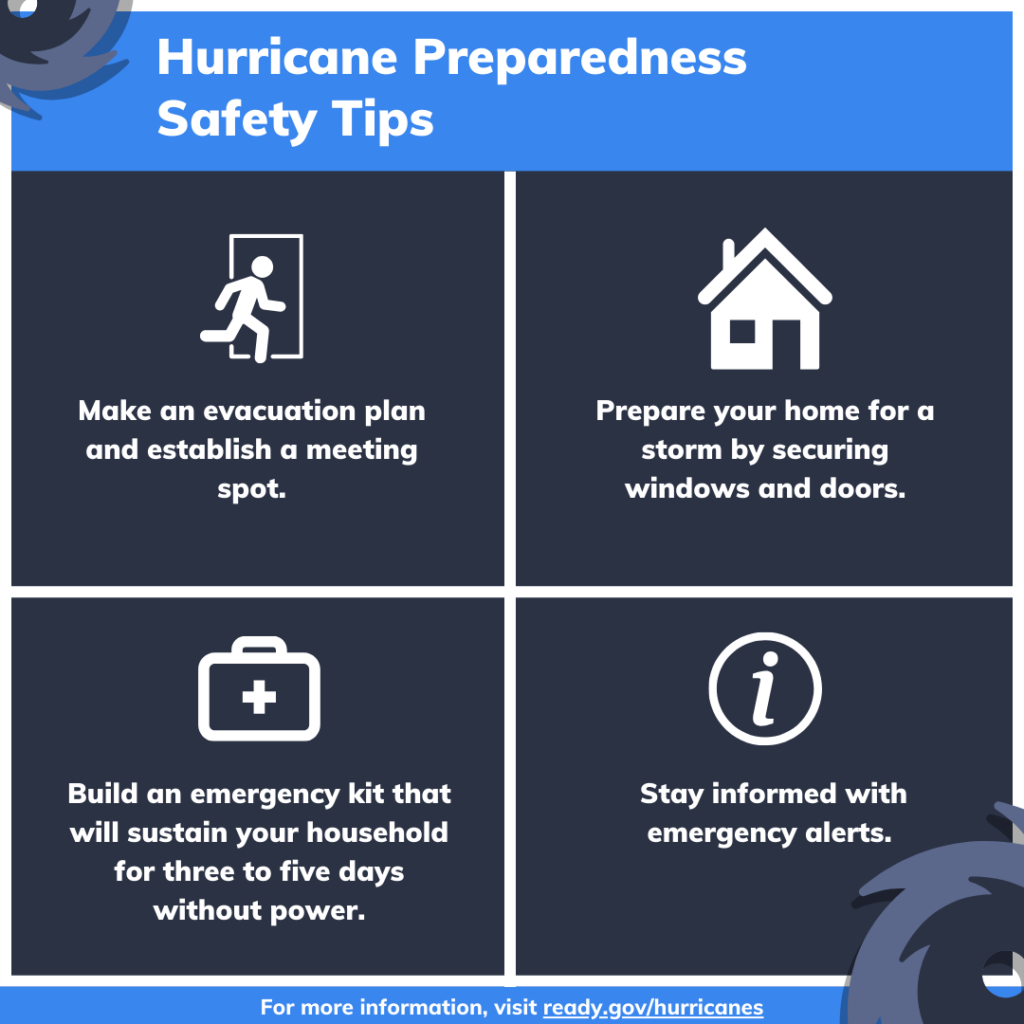
Taunton Fire, Police Departments Offer Hurricane Preparedness Safety Tips

June 14, 2024 by jgprstaff

Fire Chief Steven Lavigne, Police Chief Edward Walsh, and the Taunton Fire and Police Departments would like to share the following safety and preparedness tips this hurricane season.

While the Atlantic Hurricane season is from June 1 to Nov. 30, hurricanes have been more prominent in Massachusetts during the summer months.

Hurricanes are a rotating high-pressure tropical storm that comes with high winds, heavy rain, storm surges, inland flooding, and rip currents.

The Taunton Fire and Police Departments would like to share the following information from the Massachusetts Emergency Management Agency (MEMA) this hurricane season:

What to Do Before an Emergency Strikes:

  • Stay informed and remain informed throughout the event.
    • Community members should have multiple methods of staying informed through emergency alerts. Learn more about types of alerting and information tools including the Emergency Alert System, Wireless Emergency Alerts, NOAA Weather Radio, social and traditional news media, and local notification systems.
  • Create an emergency plan with your family. Each family is different, and plans should be tailored to your needs.
  • Prepare your home by securing outdoor furniture, doors, and windows, and keeping drains clear of debris.
    • Consider cutting weak branches and trees that could fall on your house. Make sure there’s nothing that could blow around during the storm and damage your home, and move bikes, lawn furniture, grills, propane tanks, and building material inside or under the shelter. Cover windows and doors by using storm shutters or pieces of plywood. Secure all doors on your property and find a safe location for your vehicle.
  • Remember, in the event of an emergency, call 911.

Make an Emergency Plan: Have an emergency plan for how your family would communicate, evacuate, and shelter in place should there be an emergency. An emergency plan should address the specific needs of all family members and those you are responsible for.

Steps to making an emergency plan include:

  • Discussing the questions below with your family, friends, or household:
    • How will I receive emergency alerts and warnings?
    • What is my family/household communication plan?
  • Establishing meeting locations, in the event you and your family become separated from one another during an emergency.
  • Establishing an evacuation plan and a shelter-in-place plan. Emergency officials may require you to leave the area or stay within your home based on the severity of the event.
  • Consider specific needs for everyone in your household, including seniors, children, individuals with access and functional needs, and pets. Dietary needs, medical needs including prescriptions and equipment, disabilities or access and functional needs including devices and equipment, and cultural and religious considerations should all be taken into account when creating an emergency plan.
  • Practice your plan with your family/household.

Build an Emergency Kit: Build an emergency kit that will sustain your household for 3-5 days without power. A basic emergency supply kit might include the following recommended items:

  • Food and water
  • Battery-powered or hand-crank radio and a NOAA Weather Radio with tone alert
  • Flashlight and extra batteries
  • First aid kit
  • Whistle (to signal for help)
  • Dust mask (to help filter contaminated air)
  • Soap, hand sanitizer, and disinfecting wipes
  • Prescription and non-prescription medications
  • Eyeglasses and contact lens solution
  • Infant formula, bottles, diapers, and wipes
  • Important family documents, and cash or traveler’s checks
  • Plastic sheeting and duct tape (to shelter in place)
  • Moist towelettes, garbage bags, and plastic ties (for personal sanitation)
  • Wrench or pliers (to turn off utilities)
  • Manual can opener (for food)
  • Local maps
  • Cell phone with chargers and a backup battery
  • Click here to view an Emergency Kit checklist.
  • Store items in airtight plastic bags and put your entire disaster supplies kit in one or two easy-to-carry containers such as plastic bins or a duffel bag.

For more information about hurricane and emergency preparedness click here.

###

Filed Under: Taunton FD News

Taunton Fire Department Quarry Incident

May 8, 2024 by jgprstaff

Taunton Fire was made aware of a complaint on April 29, regarding an incident at the quarry with the possibility of debris coming into neighboring yards on Fremont St. Taunton Fire notified the State Fire Marshal’s office and opened an investigation into the complaint – shutting down blasting for a week while an investigation was underway. Preliminary information suggests that this incident was caused by a mistimed detonation. No injuries were reported and there was no property damage. The investigation concluded that the company Maine Drilling and Blasting and the quarry owner had the appropriate permits for the blasting. It is an on-site blasting operation in a quarry that has been operating at that site for many decades. Taunton Fire will continue to monitor any blasting operations in the city and ensure all state and local codes are followed to ensure the safety of the neighbors and citizens of Taunton. The permit has been re-issued as of May 6.

Filed Under: Taunton FD News

  • « Previous Page
  • 1
  • 2
  • 3
  • 4
  • …
  • 13
  • Next Page »

Recent Posts

  • Taunton Fire Department Shares Severe Weather Safety Tips Ahead of Weekend Storm
  • Taunton Fire Department Rescues Overturned Kayaker at Lake Rico with Assistance from Public
  • Residents Reminded to Celebrate the Fourth Safely; Fireworks Are Illegal Statewide

Contact Us

FOR EMERGENCIES
DIAL 911

Non-emergency phone number:
(508) 824-4024
Fire Prevention: (508) 821-1453
Main Office: (508) 821-1452

tauntonfire
tauntonfire

Fire Chief
Steven P. Lavigne

Mailing address:
Central Fire Station
90 County St.
Taunton, MA 02780

Office of Fire Prevention:
141 Oak Street
Taunton, MA 02780

Copyright © 2026 Taunton Fire Department · Site Design by JGPR · Log in
Loading Comments...